1. Battery Testing
Battery Life and Performance:
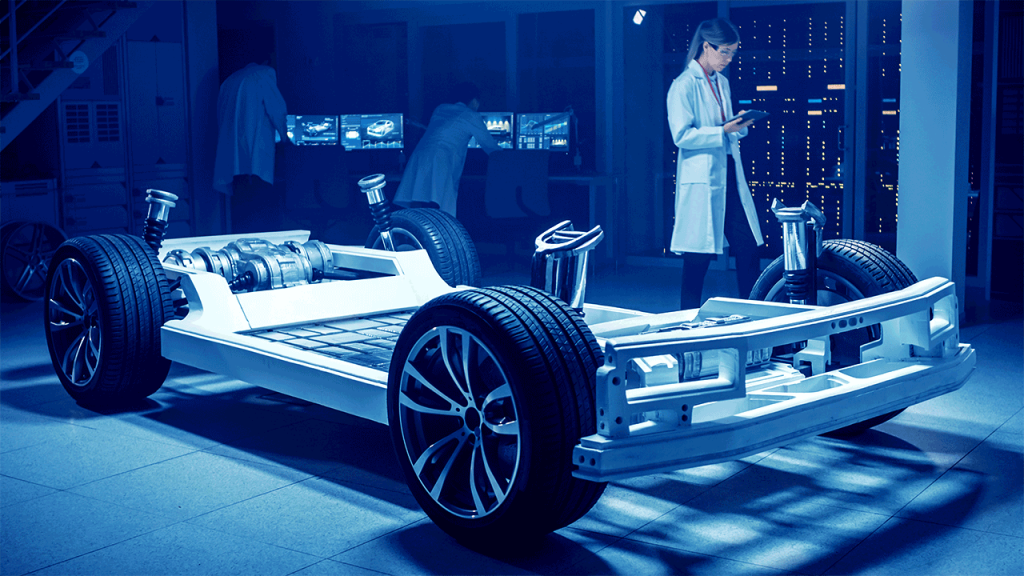
The battery is the heart of an EV. Testing its life and performance involves subjecting it to various charge and discharge cycles to simulate real-world usage. This helps in understanding the battery’s capacity retention and degradation over time.
Battery Testing
Batteries generate heat during operation. Thermal management testing ensures that the battery operates within safe temperature ranges under different conditions, preventing overheating and enhancing longevity.
Safety Testing:
This involves rigorous testing to ensure that the battery does not catch fire or explode under extreme conditions, such as overcharging, short-circuiting, or mechanical damage.
3. Performance Testing
Range Testing:
This measures how far an EV can travel on a single charge under different driving conditions. It helps in providing accurate range estimates to consumers.
Acceleration and Speed:
Performance testing evaluates how quickly an EV can accelerate from a standstill and its top speed, which are critical factors for consumer satisfaction and safety.
Handling and Stability:
This involves testing the vehicle’s handling characteristics, such as steering response and stability, especially in emergency maneuvers.
2. Charging System Testing
Compatibility:
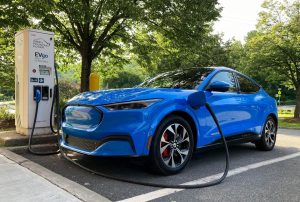
Testing ensures that the EV’s charging system is compatible with various charging stations and networks, especially since standards can vary across regions.
Efficiency:
Efficiency testing measures how effectively the EV converts electricity from the grid into usable energy in the battery, minimizing energy losses.
Durability
The durability of charging components, such as connectors and cables, is tested to ensure they can withstand repeated use and harsh environmental conditions.
4. Environmental Testing
Temperature Extremes:
EVs are tested in extreme hot and cold conditions to ensure they can operate reliably in various climates. This includes testing the performance of the battery, motor, and other components.
Water and Dust Ingress:
EVs are subjected to conditions simulating heavy rain, deep water, and dust to ensure that the vehicle and its components are adequately protected against environmental hazards.